Starting a Bookshop in Kenya
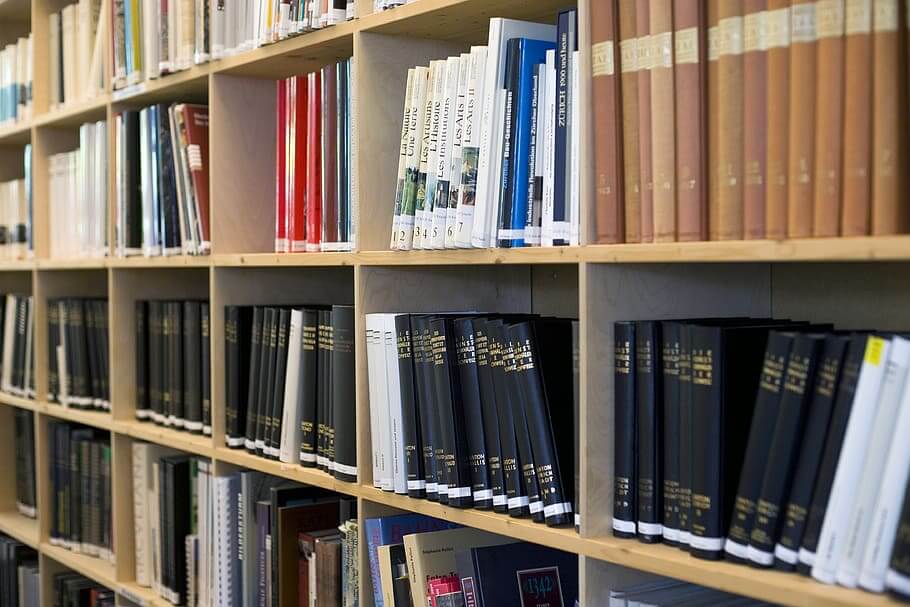
Starting a bookshop in Kenya, to supplement your other sources of income shouldn’t be difficult as it doesn’t require much in terms of licences or permits. With free primary and secondary education, the rise in the number of public and private universities and their campuses and constituent colleges, there’s a growing need for reference material in form of books and ebooks
Licence and Business Name Registration
To start off the bookshop, you’ll only be required to acquire the standard business permit as per the county you’re in. This can range from three thousand (KShs. 3,000) to fifteen thousand shillings (KShs. 15,000).
Read more on: Starting a Business in Kenya – Procedure, Time and Cost
To better gain an advantage over other bookshops, if supplying books through tendering to schools, register with the Kenya Booksellers and Stationers Association. This needs you to have a business name registered at Attorney General offices.

Getting the Books
The books to be stocked are mainly targeted at schools, parents and students. General and motivational books for general population, like novels and how-to books are not considered much by those new to operating a bookshop. These are mostly sold by street vendors who also sell imported, secondhand/used textbooks and general readership books.
To know which books have been recommended to schools for each level of education, mainly, ECDE, primary, secondary and colleges, the government publishes a list of all needed books. This list can be accessed from the education ministry website at www.education.go.ke.
It is advisable to stock fast moving books like literary set books, revision, instructional and reference books (dictionaries, kamusi, and the Bible). Additionally, include a variety of stationery to accompany these books. Include exercise books, pens and pencils, erasers and sharpeners too.
Tendering Books to Schools
Tendering books to schools can be tricky, with most, if not all school administrators flouting government procurement rules. They give winning tenders to cronies, charging non-refundable tender fees separately for textbooks and stationery, disregarding all guidelines. Some unscrupulous booksellers use kickbacks are in form of price, discounts, additions, cut to head teachers to win tenders.
Its advisable to lobby schools than waiting for them to come to you, as you can offer prices than they currently are having. It should be noted that the education ministry through the Orange Book sets the maximum price that a school should buy a book for.
Have patience with payment from schools as they are dependent on government disbursement of the same. Sometimes, red tape and bureaucracy makes payment delays, sometimes lasting more than half a year.
How to go About Starting Your Bookshop
- Get a good location (traffic and schools)
- Know which learning institutions are in the area
- Know where to get your books from (suppliers)
- Start the business
Considerations When Starting
Premises: you’ll need shelves but can also stack books, chair, display desk and/or receipt book or point of sale.
Premise costing/rent; take into consideration that breaking even may take more than a year hence, plan well for such an eventuality.
Suppliers would be wholesalers or the book publishers. Start with wholesalers as they can allow for smaller quantities but this eats into your profit margin. When established, publishers will naturally. Some well known book suppliers are Laxmi Booksellers and Stationers Ltd, Text Book Center Ltd, Sai Office Supplies, Books First, Gabby Books Ltd and many more.
Capital
The minimal required capital for starting a bookshop with a premise is about KShs. 80,000 but for a better range of reading material and stationery, KShs. 400,000 can suffice.

Returns
Average returns can vary depending on whom you get your books from with publishers enabling a margin of about 20% considering discounts on quantities bought. Books distributors will give you a bare minimum margin of about 10%.
Return also can be dictated by the season with the January/February, May and September being more profitable as these are opening months for most school calendars.
Pricing
A bookshop owner can set their own prices according to how much they deem enough profit on certain books. Publishers often give books at between a 60% and 75% of the cover price to resellers. Remember, the government dictates the pricing for schools, hence the bookshop owner has to know how to price accordingly. Hence, when selling to individuals, a higher price quote is set.
Bookshop Profit/Success Influencing Factors
- Location with traffic: enough school going children and purchasing power of parents to afford the books, high foot traffic and variety of books of interest
- Marketing and salesmanship through petitioning school heads, calling/reaching out to customers
- Capital; higher means higher discounts on orders taken from publishers and such eventually dictate the pricing
- Supplementary services that go hand-in-hand with stationery (book covers, writing materials)
- Titles and display which can include targeting different niches like religion, accounting, law, medicine, management, motivational or postgraduate studies material
NB: These came factors also dictate the competition
Reasons for Closure
- Low returns
- Losses
- Low capital
- Mismanagement
- Alternative business
Online Bookshops can as well be a great place to start small.
Would love to hear your feedback on the comment section, thank you and God bless you in Christ Jesus
Is this blog helpful?
0
0
Popular Posts

No Popular Posts Found
We're sorry what you were looking for. please try another way
Popular Categories
Tags
Related Articles
How to Self-Publish your Books in Kenya
How to Self-Publish your Books in Kenya has been made simpler considering that the book industry is thriving, and self-publishing is on the rise! If you want to learn more about how to self-publish a book or ebook Services, you’ve come to the right place. Benefits of Self-Publishing No Gatekeepers There are no gatekeepers—no literary agents or publishers standing in your way. This allows for diversity to flourish an
Read Blog
How to Start Selling Online for Free
What if you could start selling products or services online for free?? Sino Soft Classifieds, the talk of the town, is Kenya’s newest classifieds website! Whether you’re in Nairobi or a remote village, you can post ads and connect with buyers across all 47 counties in the country. This platform is a significant upgrade from County Online Market, making it easier and faster for sellers and buyers
Read Blog
The Cost of Setting Up a Petrol Station in Kenya
A petrol station or gas station is a business establishment that sells refined petroleum products like fuel, lubricants, and cooking gas to customers. Depending on size and location, it can have an eatery, shop and a service bay for repairs and servicing of motor vehicles. To start a petrol station business, like any other business in Kenya, you need to follow laid down guidelines to acquire the license and also, all other requirements as a business entity may be needed. Below
Read Blog