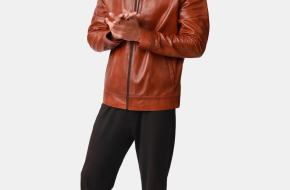


The Visual Language Revolution: What Andrew Tate Outfits Communicate Without Speaking
Clothing is a language. Not metaphorically. Actually. The moment you get dressed you're speaking. Every choice sends a message. Fabric. Silhouette. Color. Proportions. That's all communication.
The Andrew Tate outfits aesthetic figured out this visual language in a way most fashion doesn't.
Most trend pieces whisper. They need explanation. You need someone to know the brand. Recognize the code. The Andrew Tate blazer communicates immediately. Someone walks into a room wearing it and the message is clear: intentionality. Presence. Confidence.
That immediate communication is what made this trend actually matter. Not the person. But the wardrobe choices that spoke by themselves.
How Clothing Became a Communication System
Fashion is signs and symbols. Every garment sends a message. Every choice communicates something. For years, those messages stayed hidden. You needed fashion training to decode them. Only insiders recognized the signals.
Then the Andrew Tate suit arrived and changed that.
This aesthetic didn't hide its signals. It displayed them. The oversized blazer communicates immediately. The precise tailoring says something else. The color choice shows strategy. The visible material quality announces itself. Everything speaks in a language anyone can understand.
That's revolutionary because most fashion requires insider knowledge. This doesn't. An Andrew Tate jacket communicates without fashion literacy. Quality leather speaks clearly. Proportion speaks clearly. Careful color coordination speaks clearly. You don't need to be educated in fashion codes to recognize these messages.
That's what spread this globally. People recognized what the clothes were saying and responded. The message made sense independent of who wore it first or whether it was trending.
The Vocabulary of Presence
The Andrew Tate outfits aesthetic built a specific vocabulary for communicating through clothing.
Oversized proportions communicate something. They say you're not trying too hard. Your confidence doesn't require tight fit. You're comfortable taking up space. That message registers immediately when someone sees an oversized blazer with fitted trousers. The contrast speaks.
Visible material excellence communicates something. It says you've thought about quality. You've invested in pieces worth seeing. The Andrew Tate leather jacket doesn't hide its material. It displays it. That display says you've considered your choices.
Color strategy communicates something. It says you've planned. The jewelry-tone blazer isn't accident. The coordinated neutral isn't coincidence. Strategic color says: this person thinks about how pieces connect.
The Andrew Tate robe shows how this vocabulary works at home. An oversized, structured robe in quality fabric communicates even when nobody's watching. That internal communication is crucial. The aesthetic works because it says something true about how the wearer sees themselves.
Why Visual Clarity Replaced Coded Exclusivity
For generations, fashion worked through hidden signals. Subtle logos. Hidden labels. Things only wealthy people would recognize. That system kept fashion elite. It rewarded insider knowledge.
The Andrew Tate blazer rejected that. This aesthetic celebrates transparent communication. If something is quality, show it. If you've made intentional choices, let them speak. No hiding behind designer codes. No requiring fashion education to understand.
That transparency resonates now. People are tired of hidden signals. They want clarity. They want to know what they're looking at.
The Andrew Tate leather jacket communicates quality through visibility. The python jacket announces its distinctiveness. The mink coat displays its luxury. The strategy is transparent: good materials shown clearly communicate quality better than whispered designer mysteries.
That transparency extended the trend's reach. People who don't follow fashion recognized the communication. People who don't speak fashion code could still read what the Andrew Tate suit was saying.
Tristan Tate suit variations show how this clear communication adapts. Similar principles applied through different silhouettes. The vocabulary stays recognizable.
Building Your Visual Vocabulary
Understanding this vocabulary helps you build authentic Andrew Tate-inspired outfits.
Start with proportion. An oversized blazer over fitted trousers communicates contrast. That contrast says intention. It says you've thought about how elements interact. You're composing rather than just throwing pieces on.
Material comes next. Choose pieces where quality is visible. Structured leather. Woven fabrics. Textures that suggest craftsmanship. Those materials speak without logos. They say: this person values quality.
Color matters profoundly. The Andrew Tate white suit works because white coordinates everything. Jewel tones work because those colors carry weight. Strategic color says you've curated rather than accumulated.
Layering shows sophistication. The mink collar isn't random. It's positioned to create visual interest. The shearling detail says craftsmanship. Every layer communicates.
The Andrew Tate robe shows how this vocabulary works at home. An oversized robe communicates intention even when you're alone. That's the power of this visual language—it speaks even when nobody's watching.
The Power of Non-Verbal Authority
Here's what fashion psychology reveals: people decide how they feel about you in seconds. Before words. Before speech. Before you prove anything through action. That decision comes through visual assessment.
The Andrew Tate outfits aesthetic recognized that reality and optimized for it.
An Andrew Tate blazer in burgundy over tailored trousers establishes authority visually. The oversizing says confidence. The color says thoughtfulness. The proportion says sophistication. Those messages register immediately.
That immediate authority is what makes this aesthetic powerful. You don't have to speak. You don't have to prove yourself. The visual language does the work.
The Andrew Tate jacket demonstrates this principle. Structured leather communicates quality instantly. The wearer doesn't have to explain the material. The visual language is clear enough. Quality leather speaks without need for translation.
That authority without explanation is rare in contemporary fashion. Most pieces require context. The Andrew Tate white suit requires none. The visual language is self-evident.
Why This Vocabulary Persists
Fashion vocabularies come and go. Most trend cycles last a season. The Andrew Tate outfits vocabulary has persisted because it communicates something true. That truth doesn't fade with trend cycles.
Oversized blazers over fitted trousers create flattering proportions. That's not trendy. That's universal. The color strategy of jewel tones with neutrals creates visual harmony. That's not temporary. That's timeless.
The visual language of the Andrew Tate suit addresses something real about how humans communicate through appearance. That reality persists independent of trend.
More importantly, this vocabulary proves teachable. Fashion communities explain the principles. Younger dressers learn the language. The vocabulary becomes cultural knowledge rather than passing trend.
Retailers like Jacket Craze stock these pieces because they recognize that customers aren't buying trends. They're buying access to a visual vocabulary that works. The demand persists because people continue discovering why these choices communicate effectively.
Conclusion: Fashion as Dialogue
The Andrew Tate outfits aesthetic ultimately transformed fashion from monologue into dialogue.
Traditional fashion is monologue. The brand speaks. The wearer repeats. No conversation. The Andrew Tate blazer created something different. The visual language is clear enough that conversation becomes possible. Other people recognize what you're saying. They can respond. They can build their own versions of the vocabulary.
That dialogue quality is what gives the aesthetic staying power. People aren't just following. They're participating in a conversation about what intentional dressing actually communicates.
An Andrew Tate outfit becomes meaningful because the wearer and observer both speak the same visual language. That shared language creates community beyond mere trend adoption.
Jacket Craze facilitates that dialogue by stocking pieces that execute the vocabulary well. The brand's role becomes translator—making the visual language accessible to anyone wanting to speak it.
Start learning the vocabulary. Understand what oversizing communicates. Recognize what material visibility says. Feel how color strategy works. Build your visual dialogue. That's where authentic fashion communication begins.
The Andrew Tate outfits aesthetic persists because it proved that fashion can be more than following. It can be language. It can be dialogue. It can be authentic communication about who you are and how you want to move through the world.
FAQ Section
Q1: How do I know if I'm communicating intentionality or just following trends?
Ask yourself: can you explain why you made each choice? Why that blazer size? Why that specific color? Why those materials? If you can answer those questions, you're speaking the visual language intentionally. If you're copying without understanding the communication, you're following trend. The Andrew Tate aesthetic rewards understanding because understanding transforms clothing from costume into communication.
Q2: Does this visual language work for everyone, or only certain body types?
The vocabulary adapts. The principle of proportion contrast works across different builds—you adjust the degree of oversizing based on your frame. The color language works universally—you select tones that suit you personally. The material visibility works on all bodies because quality communicates regardless. The language is flexible enough to work for anyone who speaks it thoughtfully.
Q3: If I wear Andrew Tate-inspired outfits, what am I communicating to other people?
You're communicating that you've thought about your choices. That you value visible quality over hidden logos. That you're comfortable with intention showing. That you understand proportions, color, and material matter. You're also signaling to other people who speak this language that they're not alone. It's a conversation, not a statement.
Sheridan, WY 82801, USA, 82801