

The Outfit Architecture Nobody Talks About
There's a reason the same silhouettes repeat across Andrew tate jacket imagery. It's not accident. It's engineering. Every blazer is sized. Every layer beneath it is calculated. The Versace robe that appears occasionally? That's a specific decision about luxury signaling. The white suit? Not casual menswear. That's formal dressing without the event. The entire aesthetic operates on a coherent set of rules.
Most people see the individual pieces and miss the system. They buy the python jacket and wonder why it doesn't read the same way. The reason is simple: the jacket is one equation in a larger formula. You need the complete outfit structure to understand what's actually happening.
The real story isn't about trend chasing. It's about learning how to assemble looks that project a specific kind of presence. That's worth understanding regardless of your feelings about the original source.
Why the Andrew Tate Outfit Aesthetic Conquered Social Media
The algorithm loves visual repetition, but only when it's distinctive. A basic black suit disappears into the feed noise. An oversized blazer in luxe fabric with intentional styling stops the scroll.
What happened with Tate outfits is predictable once you understand how social platforms work. The looks were:
Visually consistent enough to become recognizable. Varied enough to stay fresh. Expensive-looking enough to inspire desire. Accessible enough that people thought they could replicate it.
That combination doesn't happen by accident. Someone understood personal branding through visual language.
The second factor was audience psychology. Young men watching the content saw something their actual fashion options weren't offering. Not streetwear. Not luxury minimalism. Not business casual. This was something else. Structured confidence in clothes.
Thirst traps taught a generation that styling matters. Instagram created expectations about how men should look. TikTok made those expectations moveable, shareable, infinitely remixable. The Andrew Tate outfit aesthetic arrived into an environment primed to receive it.
What followed was inevitable: millions of boys and young men thinking, "I want to dress like that." Not necessarily like him. Like that idea of dressing.
The Rise of Andrew Tate Outfits: From Niche to Mainstream
Trendspotting usually requires months of observation. The Tate aesthetic compressed that timeline into weeks because it had a built-in viral engine: constant content production, high stakes visibility, no filter between private and public presentation.
Every court appearance was a photo shoot. Every video was styling research. The repetition itself became the strategy. Wear the same look enough times and it stops being a personal choice. It becomes a signature. A uniform. An identity.
Retailers noticed immediately. Luxury brands saw demand spikes for pieces they had in inventory but nobody was buying. Python leather. Mink fur. Oversized blazers. Suddenly these weren't niche items. They were what people wanted.
The cascade was swift. Streetwear brands started dropping "Tate-inspired" pieces. Luxury retailers curated collections around the aesthetic. Fashion writers started analyzing the look seriously instead of dismissively. By 2025, the Andrew Tate outfit wasn't fringe anymore. It was mainstream.
What made that transition stick wasn't celebrity endorsement or magazine features. It was that the outfit formula actually works. Oversized blazers look good on a range of body types. Luxe textures feel expensive. Structured silhouettes create presence. The system has internal logic that translates across different people and contexts.
That's why it lasted longer than most trends. It wasn't just hype. It was functional.
The Andrew Tate Blazer: Why This Piece Became Iconic
The blazer is the foundation of the entire aesthetic. Not the jacket. Not the coat. The blazer specifically.
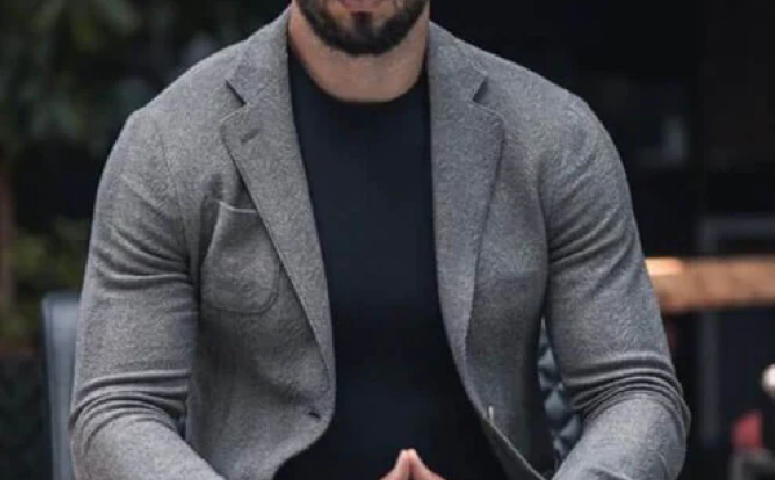
An Andrew Tate-style blazer has volume. Oversized proportions that don't read as sloppy because the fabric and structure hold the shape. Usually double-breasted, which creates visual interest without extra texture. Often in black or deep jewel tones. Sometimes oversized to the point where sleeves need tailoring.
The key is that it works as statement wear without costume energy. You can actually wear it to places. Work sometimes. Dinners. Nightlife. It's formal enough and strange enough to read as intentional rather than accidental.
The construction matters. Cheap oversize looks like poor fit. Quality oversize looks like a choice. That difference is where most people get it wrong. They size up a basic blazer from a fast-fashion retailer and wonder why they look like they're wearing their dad's suit.
A real blazer in this style has structure in the shoulders. Proper lapel weight. Functioning buttonholes. You're not paying for size. You're paying for the engineering underneath the size.
The double-breasted element gained traction because it creates proportion play. Six buttons on a broad chest. A structured front that doesn't collapse. Lapels that have presence. This isn't innovation in tailoring. It's a return to how blazers used to be made.
Building the Complete Andrew Tate Outfit: Layering and Proportion
A complete Andrew Tate outfit isn't just the blazer. It's the system around it.
Start with the base. Usually simple. A plain dark sweater or turtleneck. Nothing printed. Nothing loud. The blazer is doing the speaking, so everything underneath stays quiet. This is where people mess up by adding too much texture below. Tight leather pants under an oversized blazer looks awkward. Clean dark trousers work.
The layering creates depth. Dark turtleneck. Then the oversized blazer. Then sometimes a coat over that. Not layering for warmth. Layering for visual composition. You're building a silhouette that has dimension when photographed or filmed.
Proportions are the real control mechanism. If the blazer is oversized, the pants need to taper slightly at the ankle. If you're wearing something fitted underneath, the blazer can be baggier. But you can't have both oversized pieces fighting for space. That's costume territory.
The truth most stylists won't say: proportion play is about optical illusion. Oversized blazer with tapered pants makes you look taller and broader in the chest. Fitted blazer with relaxed pants does something different. Mix both and you look confused.
Accessory restraint matters. Tate outfits rarely include visible jewelry beyond watches. No chains. No rings. Let the clothes do the work. Add too much else and you're fighting for attention with your own outfit.
Oversized Versus Fitted: What Actually Works for Your Frame
The aesthetic is built on oversized. But oversized isn't universal.
If you're broader through the shoulders and chest, oversized reads as intention. There's actually space. The proportions make sense. The silhouette photographs well. This is the body type the whole aesthetic was designed for.
If you're average or slighter, oversized can swallow you. The blazer becomes the outfit instead of you being in the outfit. Sleeves extend past your wrists. The front gapes. It reads as borrowed rather than owned.
For slighter frames, fitted versions of the same formula work. A tailored blazer in luxe fabric still has presence. It doesn't have to be oversized to be intentional. A burgundy wool blazer cut fitted can be just as striking as an oversized black one, especially if everything else maintains proportion. Dark trousers that sit properly. A simple sweater with good fit. The proportions stay balanced.
Taller guys have more options. Height carries oversized better. If you're 6'2", an oversized blazer looks like a choice. At 5'7", the same piece needs adjustment or it dominates the frame in a way that undermines the whole aesthetic.
The real rule: buy for your actual body first. Aesthetic second. A piece that fits you will always photograph better and feel better than something that requires apology dressing.
Fabric Choices That Make the Andrew Tate Outfit Work
Fabric is where aspiration meets reality.
The python jacket or python blazer appears frequently in Tate imagery. Python has specific visual qualities. It catches light differently than smooth leather. Has texture. Reads expensive. Requires specialized care. If you're shopping for this, understand that python isn't casual wear. It's investment pieces that demand attention.
Wool blazers are more practical for actual life. Luxury wool blends with silk or cashmere linings. These materials feel expensive when you wear them. They drape better than cheap fabrics. They last multiple seasons if maintained properly.
Mink coats appear occasionally, especially over formal wear. Mink is expensive, complicated, and impractical for most climates. If you're buying one, be clear on what you're actually purchasing and whether it fits your life.
The Versace robe moments that pop up occasionally? Those are pure luxury theater. A silk robe over a fitted shirt. Not workwear. Not everyday wear. That's the moment where the aesthetic becomes pure expression.
Most of the outfit can function on mid-tier luxury. Quality wool, legitimate leather, proper construction. You don't need mink or python. You need fabrics that feel better than basics and hold their shape across seasons.
Color and Material Strategy for the Complete Andrew Tate Look
Black dominates. It's the foundation. Black blazer. Black trousers. Black turtleneck. Black creates the silhouette backbone that everything else builds on.
Burgundy is the accent color that appears most frequently in variations. It's bold without being reckless. Works in blazers, suits, coats. Photographs well. Reads expensive.
Navy shows up sometimes. White suits appear, usually for formal settings or specific photographic moments. Brown coats. Deep green occasionally.
The consistency is purposeful. A limited color palette creates coherence. You're not mixing colors. You're varying shades of darkness with occasional jewel-tone accents. That restraint is what makes the aesthetic feel sophisticated rather than costume-like.
Material consistency matters. Don't mix finishes randomly. Python with wool works. Leather with silk works. But mixing five different textures in one outfit reads as confused rather than intentional.
Why Andrew Tate Outfits Dominate 2026 Menswear Conversations
Men's fashion was stalled. For years, the conversation oscillated between sneaker-based streetwear and boring business casual. Quiet luxury existed but felt antiseptic. The Tate aesthetic offered something genuinely different: structured, textured, unafraid of presence.
It also arrived at the moment when personal branding became visible income. Young men understood that how you look impacts opportunity. The outfit wasn't frivolous. It was professional presentation reimagined as something interesting.
The internet amplified it. One well-photographed outfit gets recycled across platforms infinitely. A blazer that photographs well gets reposted, remixed, referenced across TikTok, Instagram, YouTube. The visual distinctiveness drives adoption more than celebrity does.
There's also something appealing about an aesthetic that required assembly. You can't just buy the look. You have to understand proportions, layering, color theory. That complexity is attractive to people who want to actually think about style rather than just follow formulas.
Constructing Your First Andrew Tate-Inspired Outfit
Start with a single quality blazer. Don't overthink it. Black wool or a deep burgundy blend. Buy something that fits your shoulders properly. Oversized if that's your frame. Fitted if that serves you better.
Layer underneath with a simple turtleneck or sweater. Nothing printed. Nothing busy. Let the blazer be the statement.
Add trousers that fit your frame properly. Dark. Simple. Quality enough that they feel intentional. Not fashion-forward trendy. Just well-made.
Wear it a few times. Feel how it works on your body. Feel how people respond to it. That feedback matters more than any article's guidance.
Once you understand how that foundation operates, add variations. Different blazer. Experiment with oversized proportions if your frame allows. Try a different color. Investigate textures. Build from principles rather than just copying combinations.
The Andrew Tate outfit aesthetic is learnable because it follows logic. Proportion rules. Color restraint. Fabric quality. Layering strategy. Master those and you can build variations endlessly.
The Lasting Relevance of Tate Outfits in 2026 Fashion
Fashion trends expire. Hype cycles die. But systemic approaches to dressing stick around.
The specific oversized double-breasted blazer will eventually feel dated. The python leather will rotate out of favor temporarily. But the underlying principles, the understanding that outfit construction matters, that proportion creates meaning, that texture signals value—those ideas have staying power.
What the Andrew Tate outfit proved was that menswear could be interesting without being precious. Structured without being boring. Confident without being arrogant. That permission is valuable.
In 2026, that aesthetic is mainstream enough that you don't need to defend it. It's just available as an option, like any other approach to dressing. The intensity around it will fade. The actual utility of the formula will remain.
Conclusion: Your Andrew Tate Outfit Starting Point
The complete Andrew Tate outfit isn't about copying. It's about understanding the system and building your version of it.
Quality blazer. Simple base layers. Proper fit for your body. Color restraint. Intention visible in every choice. Those elements assemble into something that reads as presence rather than costume.
Jacket Craze curates pieces specifically designed for this kind of outfit construction. Luxury fabrics. Thoughtful cuts. Blazers and coats built for the layering strategy this aesthetic requires. You don't need everything to come from one place, but having a source for quality foundation pieces matters.
The Andrew Tate outfit works because it's coherent. Every element serves the larger composition. That's the real lesson. Build toward that coherence in whatever style actually belongs to you.
Frequently Asked Questions
Can you pull off Andrew Tate outfits if you're not tall or naturally broad?
Yes, but adjust the proportions. Fitted blazers still create presence if they're in quality fabrics. Pair them with clean trousers that fit properly. The oversized element isn't required. The intentionality is. You can be intentional in fitted pieces.
What's the best entry point for exploring this aesthetic?
A quality black wool blazer that fits your shoulders properly. Wear it with dark trousers and a simple turtleneck. That foundation teaches you how proportion and fabric quality work. Expand from there based on what feels right for your body and life.
Do you actually need expensive designer pieces or does quality basics work?
Quality matters more than designer names. A luxury wool blend blazer from a solid brand will serve you better than a cheap designer piece. Focus on construction, fabric weight, and fit. The brand is secondary to how the piece actually functions on your body.